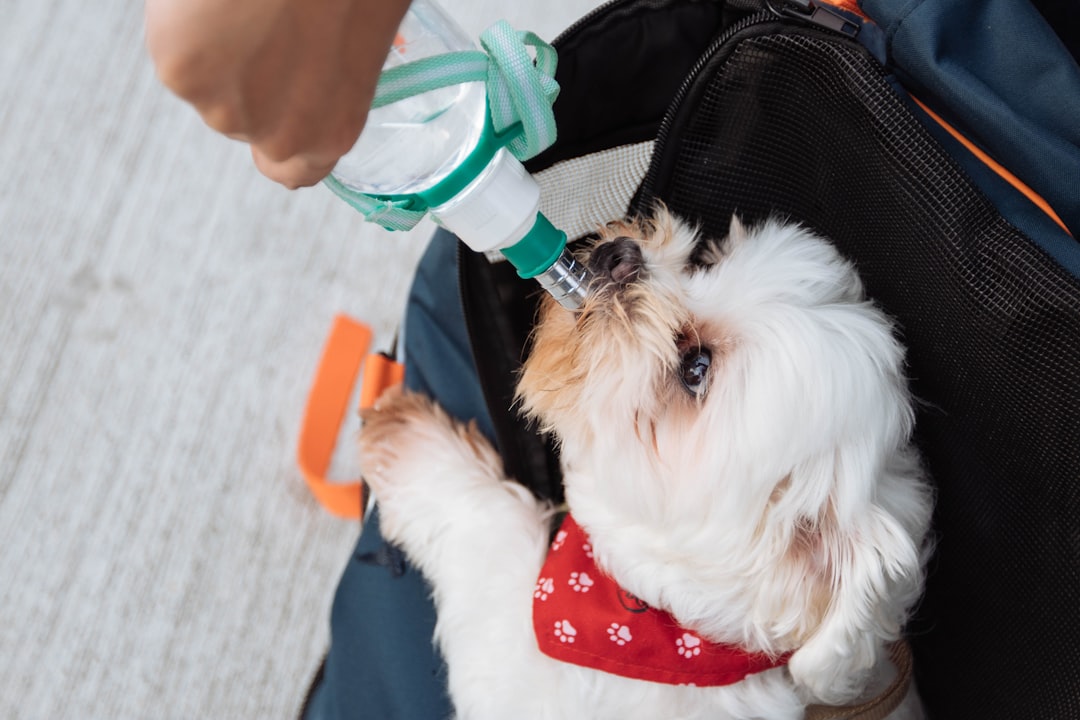
The immediate concern when a pet faces an emergency is often “find veterinary emergency near me”. This isn’t a search for convenience. It’s born of panic, a basic need to address a sudden health crisis for a cherished animal. Understanding the landscape of veterinary emergency services, from how they operate to what factors influence your choice, is critical for pet owners.
Emergency veterinary hospitals exist to bridge the gap between routine veterinary care and critical, life-threatening situations. Unlike general practices that typically operate during specific hours and often require appointments, emergency facilities are designed for immediate intake and stabilization. Their primary function is to provide rapid assessment and intervention for conditions ranging from trauma to acute illness.
Differentiating Emergency from Urgent Care
It’s important to distinguish between a true emergency and urgent care. An emergency is a situation where a pet’s life or long-term health is in immediate jeopardy. Examples include severe bleeding, difficulty breathing, collapse, sudden paralysis, ingestion of toxins, or unresponsive seizures. Urgent care, while requiring prompt attention, doesn’t carry the same immediate threat. This might include a persistent cough without distress, minor cuts, or mild limping. Many general practitioners offer some level of urgent care during business hours, but after hours, even urgent conditions often necessitate an emergency visit due to limited options.
Staffing and Equipment
Emergency veterinary hospitals are staffed by teams specifically trained in emergency and critical care medicine. This typically includes emergency veterinarians, veterinary technicians certified in emergency procedures, and support staff. The hospitals are equipped with diagnostic tools such as digital radiography, ultrasound, and in-house laboratory equipment for rapid blood work and urinalysis. They also possess advanced monitoring capabilities, surgical suites for emergency procedures, and intensive care units (ICUs) for continuous patient observation and treatment. The availability of these resources allows for swift diagnosis and the implementation of often complex treatment plans.
If you’re looking for comprehensive information on caring for your American Bulldog, including health, diet, training, and grooming tips, you might find this article helpful: Complete Care Guide for an American Bulldog. Additionally, if you ever find yourself in need of veterinary emergency services, it’s essential to know the options available near you to ensure your pet receives prompt care.
Navigating a Pet Emergency
Knowing how to react when a pet emergency arises can significantly impact the outcome. A structured approach can reduce panic and facilitate effective communication with veterinary staff.
Initial Assessment at Home
Before heading to an emergency clinic, a brief but critical assessment of your pet’s condition can be helpful. Observe breathing patterns, level of consciousness, presence of bleeding, and any indications of pain. Note the time of onset of symptoms or injury. If possible and safe, try to control severe bleeding with direct pressure. However, prioritize getting to a clinic over prolonged home treatment, especially if the pet is in distress or unstable. Do not attempt to administer human medications without veterinary consultation, as many are toxic to animals.
Contacting the Clinic
Once you’ve identified a potential emergency, call the nearest emergency veterinary clinic while en route or before leaving. This call serves several purposes:
- Alerting the staff: They can prepare for your arrival, ensuring personnel and equipment are ready.
- Receiving first-aid advice: In some cases, they may provide instructions for safe transport or interim care.
- Confirming availability: While emergency clinics are generally open, it’s prudent to confirm they are not at capacity or facing an unusual situation.
Provide a concise summary of your pet’s condition, breed, age, and any relevant medical history.
Transporting Your Pet
Safe transport is crucial. Small animals can be transported in carriers. Larger dogs may need assistance to get into a vehicle. If the pet is in pain, injured, or aggressive, exercise caution to avoid being bitten. Muzzling a pet may be necessary if they are in pain and reactive, but only if it doesn’t impede their breathing. Secure your pet so they don’t move around and distract the driver. If possible, have someone else drive so you can monitor your pet.
Factors Influencing “Find Veterinary Emergency Near Me”

The effectiveness of finding an emergency veterinarian “near me” is influenced by several practical considerations beyond mere geographical distance.
Geographic Density of Services
In densely populated urban areas, multiple emergency veterinary hospitals may be available within a reasonable driving distance. This offers choice and potentially shorter wait times, although demand can still be high. In suburban or rural settings, options may be limited, potentially requiring longer travel times. Familiarity with the closest options, even if they aren’t “nearby” in a strictly literal sense, is essential for these areas. Proactive research can bridge this gap.
Hours of Operation
While emergency clinics are typically open 24/7, some may have more limited overnight or weekend hours, particularly smaller facilities or those associated with general practices. Confirming their operational hours is a critical step during your initial contact, especially in less populated regions where a 24-hour facility might be further afield.
Specializations and Capabilities
Some emergency veterinary hospitals may offer advanced specializations such as internal medicine, surgery, or neurology, often staffed by board-certified specialists. While all emergency clinics can stabilize a patient, those with specialists on staff may be better equipped for complex cases requiring advanced diagnostics or procedures. Understanding these capabilities can influence your choice if your regular veterinarian has already indicated a specific type of advanced care might be needed. For a spontaneous emergency, the nearest capable facility is usually the priority, with referrals to specialists arranged once the pet is stable.
Cost Considerations
Emergency veterinary care typically involves higher costs than routine visits due to specialized equipment, 24/7 staffing, and the intensity of care required. It’s advisable for pet owners to anticipate these costs. Discussing estimated costs with the veterinary staff as soon as a preliminary diagnosis is made is a standard practice and should not be avoided. Options like pet insurance, emergency savings, or credit services designed for veterinary care can help manage these expenses. Financial considerations, while important, should not delay essential emergency treatment; open communication with the veterinary team can often lead to workable solutions or phased treatment plans where medically appropriate.
Preparing for a Pet Emergency

Proactive preparation is a key component to effectively manage a pet emergency. It can reduce stress and improve the speed of response when an incident occurs.
Emergency Contact List
Maintain a readily accessible list of emergency contacts. This should include:
- Your primary veterinarian’s off-hours emergency protocol: Some general practices partner with specific emergency clinics.
- Names and addresses of at least two nearby 24-hour emergency veterinary hospitals: Include their phone numbers.
- Numbers for animal poison control centers: Such as the ASPCA Animal Poison Control Center or Pet Poison Helpline, though often an emergency clinic will advise contacting these directly or will do so on your behalf.
- A trusted neighbor or friend: Someone who can help with transport or care for other pets.
Keep this list near your phone, in your wallet, and saved on your mobile device.
Emergency Kit for Pets
Just as you might have a human first-aid kit, a pet emergency kit can be valuable:
- Pet first-aid manual: For quick reference.
- Gauze pads and rolls, cohesive bandages, adhesive tape: For wound care and support.
- Antiseptic wipes or solution: Like chlorhexidine or povidone-iodine, diluted as directed.
- Tweezers: For removing splinters or ticks.
- Pet-specific thermometer: Take your pet’s normal temperature beforehand for comparison.
- Lubricant: For the thermometer.
- Clean towels or blankets: For warmth or to use as an improvised stretcher.
- Muzzle: If your pet is prone to biting when in pain, ensure it fits properly and doesn’t hinder breathing.
- Any regular medications your pet takes: Include dosages and administration instructions.
- Current medical records: Including vaccination history and any pre-existing conditions.
- Pet carrier or leash: Always have these accessible for transport.
- A recent photo of your pet: For identification if they get lost during an emergency.
This kit should be easily accessible, ideally in a designated bag that can be grabbed quickly.
Financial Planning
The financial aspect of emergency veterinary care can be a significant burden. Addressing this proactively can alleviate stress during a crisis:
- Pet Insurance: Research and invest in a pet insurance policy that covers emergency care. Understand the deductible, reimbursement percentage, and annual limits.
- Emergency Fund: Establish a dedicated savings account specifically for pet emergencies.
- CareCredit or similar services: These are credit cards designed for health expenses, including veterinary care, often offering deferred interest options. Apply beforehand to have the resource available.
- Discuss payment options: Be prepared to discuss payment options with the emergency clinic staff. They often have protocols for payment before or during treatment.
If you’re looking for essential information on how to care for your Rottweiler, including their diet, training, and health tips, you might find this article particularly helpful. Additionally, if you ever find yourself in need of immediate assistance for your pet, it’s crucial to know about veterinary emergency services available near you. For more insights on caring for your furry friend, check out this informative guide on Rottweiler care here.
After the Emergency: Follow-up and Recovery
| Location | Distance | Phone Number | Operating Hours |
|---|---|---|---|
| Downtown Veterinary Clinic | 1.5 miles | 555-123-4567 | 24/7 |
| City Animal Hospital | 2.3 miles | 555-987-6543 | 24/7 |
| Westside Pet Emergency | 3.1 miles | 555-789-0123 | 24/7 |
The emergency phase is often just the beginning. The period following an emergency requires diligence and cooperation with your veterinary team for optimal recovery.
Discharge Instructions
When your pet is discharged from the emergency clinic, you will receive detailed instructions for home care. These typically include:
- Medication schedule and administration: How much, how often, and how to give the medications.
- Wound care details: If applicable, how to clean and dress wounds.
- Activity restrictions: Instructions on limiting exercise or specific movements.
- Dietary recommendations: Special foods or feeding schedules.
- Signs to watch for: What symptoms indicate a worsening condition or complication that warrants immediate re-evaluation.
Ensure you understand every instruction before leaving the clinic. Ask questions if anything is unclear.
Follow-up Appointments
Follow-up appointments are crucial to monitor your pet’s recovery and adjust treatment as needed. These may be with the emergency clinic for ongoing critical care, or often, with your primary veterinarian for continued management. Ensure you schedule these appointments promptly as advised by the emergency veterinary team. Provide your primary veterinarian with all discharge paperwork and any new test results from the emergency visit.
Emotional Support for Pet Owners
A pet emergency is a distressing experience for owners. It’s common to feel anxiety, guilt, or grief, especially if the outcome is uncertain or severe. Acknowledge these emotions. Talk to trusted friends, family, or even the veterinary staff if you need to process the event. Support groups for pet owners are also available. Focusing on your pet’s recovery and providing a calm, supportive environment at home can benefit both you and your animal.
“Find veterinary emergency near me” is more than a simple search query; it represents a critical juncture in pet ownership. Understanding the resources available, preparing proactively, and navigating the emotional and practical challenges of an emergency can significantly improve outcomes for pets in crisis. Pet owners are encouraged to familiarize themselves with these aspects well before an emergency arises, ensuring they are equipped to act decisively and effectively when their pet’s health depends on it.