
The late-night call sends a jolt through the quiet house. A pet in distress – a sudden injury, an unexpected illness, a worrying change in behavior. This is the moment many pet owners dread, and it’s precisely when the emergency veterinary clinic becomes a lifeline. Unlike routine check-ups and scheduled vaccinations, emergency veterinary care operates on a different rhythm, driven by urgency and the unknown. Understanding its role and how to navigate it can alleviate some of the stress when a crisis strikes.
Knowing when to seek immediate veterinary attention is crucial. Not every cough or limp warrants an emergency room visit, but identifying genuine emergencies can save lives and prevent conditions from worsening. Pet owners must learn to differentiate minor ailments from critical situations that demand prompt action.
Sudden Trauma and Injuries
A common reason for emergency visits involves sudden trauma. This can range from falls and road traffic accidents to altercations with other animals.
- Falls from Heights: Even seemingly short falls can cause internal injuries, fractures, or concussions. A pet that has fallen should be observed closely for any signs of pain, lameness, or neurological changes.
- Road Traffic Accidents: These are often severe. Pets involved in car accidents require immediate veterinary attention, even if they appear uninjured. Internal bleeding, organ damage, and broken bones may not be immediately obvious.
- Animal Fights and Bites: Wounds from another animal can be deeper than they appear. Beside surface lacerations, there’s a risk of infection from bacteria introduced by teeth and claws. Puncture wounds can also hide significant muscle or organ damage.
- Burns and Electrocution: Exposure to heat, chemicals, or electrical currents can cause severe tissue damage, pain, and systemic complications. Seek immediate care for any pet showing signs of burns or electrical injury.
Acute Illness and Ailments
Beyond trauma, many acute illnesses necessitate emergency care. These conditions often develop rapidly and can escalate quickly without intervention.
- Difficulty Breathing: Labored breathing, gasping, coughing continuously, or blue-tinged gums are all signs of a respiratory emergency. This could indicate a variety of issues, from foreign body obstruction to heart failure or asthma.
- Severe Vomiting or Diarrhea: While occasional vomiting or diarrhea can be mild, persistent or severe episodes, especially accompanied by lethargy, blood, or abdominal pain, require immediate assessment. Dehydration can quickly become life-threatening, particularly in small or young animals.
- Collapse or Loss of Consciousness: A pet that suddenly collapses, faints, or becomes unresponsive needs urgent veterinary attention. This could be a symptom of a heart condition, internal bleeding, neurological event, or severe shock.
- Seizures: While the duration and frequency of seizures vary, a first-time seizure, a cluster of seizures, or a seizure lasting more than a few minutes warrants an emergency visit. Prolonged seizures can cause brain damage.
- Suspected Poisoning: If you suspect your pet has ingested a toxic substance – common household products, human medications, certain plants, or rodenticides – contact an emergency vet or poison control center immediately. Time is critical in these situations.
- Bloated Abdomen with Retching (GDV): Especially in deep-chested dog breeds, a sudden, distended abdomen accompanied by unproductive retching is a sign of Gastric Dilatation-Volvulus (GDV), a life-threatening condition where the stomach twists. This requires immediate surgical intervention.
- Inability to Urinate or Defecate: Straining without success, particularly in male cats, can indicate a urinary blockage, which is a life-threatening emergency. Prolonged inability to defecate, especially with signs of distress, also needs prompt veterinary assessment.
- Severe Pain: Whining, trembling, reluctance to move, guarding a body part, or vocalizing when touched are all signs of significant pain. An emergency vet can assess the cause and provide pain relief.
- Eye Injuries: Any sudden change to the eye – redness, discharge, squinting, swelling, or trauma – should be considered an emergency to prevent permanent vision damage.
If you’re considering ways to show appreciation for your emergency vet’s hard work and dedication, you might find the article on gift cards particularly helpful. It discusses how a simple gesture like a gift card can express gratitude while also supporting local businesses. To learn more about this thoughtful approach, check out the article here: Gift Card Thank You.
What to Expect at an Emergency Clinic
Emergency veterinary clinics operate differently from standard practices. Understanding the process can reduce anxiety during an already stressful time. These clinics are typically equipped to handle a wide range of critical conditions, often with advanced diagnostic and treatment capabilities.
Triage and Assessment
Upon arrival, your pet will often be triaged by a veterinary technician or nurse. This initial assessment helps determine the severity of the condition and dictates the order in which patients are seen.
- Immediate Stabilization: Pets with critical conditions (e.g., severe breathing difficulties, active bleeding, collapse) will be taken immediately for stabilization, even before a full history is taken or payment discussed.
- Information Gathering: While your pet is being assessed or stabilized, you’ll be asked to provide a detailed history – when symptoms started, any known traumas, medications your pet is on, and previous medical conditions. Be clear and concise.
Diagnostic Procedures
Once a pet is stable and a preliminary assessment is made, the veterinary team will often recommend diagnostic tests to pinpoint the problem.
- Blood Work: Common tests include a complete blood count (CBC) to assess red and white blood cells, and a chemistry panel to evaluate organ function (kidneys, liver, pancreas) and electrolyte balance.
- Urinalysis: This can detect infections, kidney issues, or other metabolic problems.
- Imaging: X-rays (radiographs) are used to visualize bones, lungs, and abdominal organs. Ultrasound can provide a more detailed look at soft tissues and organs, frequently used for abdominal or cardiac assessments.
- ECG (Electrocardiogram): Used to assess heart rhythm and electrical activity, especially for pets experiencing collapse or breathing difficulties.
- Blood Pressure Measurement: Important for detecting shock or other cardiovascular issues.
Treatment and Hospitalization
Treatment plans vary widely based on the diagnosis. An emergency vet will discuss findings, prognosis, and treatment options with you.
- Medication: This could include pain relief, anti-nausea drugs, antibiotics, or medications to support heart or respiratory function.
- Fluid Therapy: Intravenous (IV) fluids are crucial for rehydration, maintaining blood pressure, and supporting organ function in many emergency cases.
- Oxygen Therapy: For pets with breathing difficulties, oxygen supplementation can be life-saving.
- Wound Care and Surgery: Deep lacerations, bite wounds, fractures, or internal injuries often require surgical intervention. Conditions like GDV or foreign body ingestion also necessitate emergency surgery.
- Monitoring: Critically ill pets may require hospitalization for continuous monitoring of vital signs, blood work, and response to treatment. This often includes overnight stays.
Costs of Emergency Care

Emergency veterinary care can be expensive. This is due to the advanced equipment, specialized staff, and round-the-clock availability required to deliver critical care. Understanding these factors can help manage expectations.
Factors Influencing Cost
Several elements contribute to the overall bill for emergency services.
- Urgency of Condition: More critical cases often require intensive interventions, specialized diagnostics, and longer hospitalization, increasing costs.
- Diagnostic Tests: X-rays, ultrasounds, blood tests, and other diagnostics are essential for accurate diagnosis but add to the expense.
- Treatment Modalities: Whether treatment involves medication, fluid therapy, oxygen, or complex surgery will significantly impact the final cost.
- Hospitalization Length and Intensity: A pet requiring overnight intensive care with continuous monitoring will incur higher costs than one needing a brief outpatient procedure.
- Specialist Consults: In some complex cases, a specialist (e.g., internal medicine, surgery, cardiology) may be consulted, which involves additional fees.
- After-Hours Surcharges: Emergency clinics often charge higher fees for services rendered during evenings, weekends, and holidays to cover staffing costs.
Managing Financial Concerns
Financial concerns are valid, especially during an emergency. Several options can help mitigate the financial burden.
- Pet Insurance: For proactive owners, pet insurance can be invaluable. Policies vary, but many cover a significant portion of emergency veterinary bills after a deductible.
- Emergency Funds: Establishing a dedicated emergency fund for your pet can provide peace of mind. Even a small amount set aside monthly can accumulate into a helpful sum.
- Payment Plans and Credit: Many emergency clinics offer payment plans or work with third-party medical credit providers (e.g., CareCredit) that allow owners to finance treatment.
- Financial Aid Organizations: Various non-profit organizations exist to help pet owners who cannot afford emergency veterinary care. Resources vary by location, but a quick online search or asking the clinic staff for recommendations can be helpful.
- Discussing Options with Your Vet: Always discuss financial limitations with your emergency veterinarian. They can often provide different treatment options or strategies to fit your budget, without compromising your pet’s well-being unnecessarily.
Preparing for an Emergency
Proactive preparation can significantly reduce stress and improve outcomes when an emergency arises. A few simple steps can make a difference.
Emergency Contact Information
Having essential contacts readily available can save valuable time.
- Regular Veterinarian: Keep your primary vet’s phone number and address handy. They may be able to provide records or advice over the phone.
- Local Emergency Clinic: Know the location, phone number, and operating hours of at least one (preferably two) emergency veterinary clinics in your area.
- Poison Control: Have the numbers for pet poison control centers (e.g., ASPCA Animal Poison Control Center) in your phone. They can offer crucial advice on suspected poisonings.
Pet First-Aid Kit
A basic first-aid kit can address minor issues or provide temporary relief until professional help is available.
- Gauze and Adhesive Tape: For covering wounds or creating temporary bandages.
- Antiseptic Wipes (alcohol-free): For cleaning minor cuts.
- Hydrogen Peroxide: To induce vomiting ONLY IF advised by a vet or poison control. Never administer without guidance.
- Tweezers: For removing splinters or ticks.
- Non-Stick Pads: For covering larger wounds.
- Wound Gel or Ointment: To prevent infection (check with your vet for safe options).
- Scissors: For cutting bandages or fur around a wound.
- Clean Towels or Blankets: For warmth, comfort, or improvised stretchers.
- Leash and Muzzle: An injured or scared pet might bite, even its owner. A muzzle can be a safety measure. Always introduce a muzzle positively in non-emergency situations first.
Transportation Plan
Consider how you would transport your pet in an emergency.
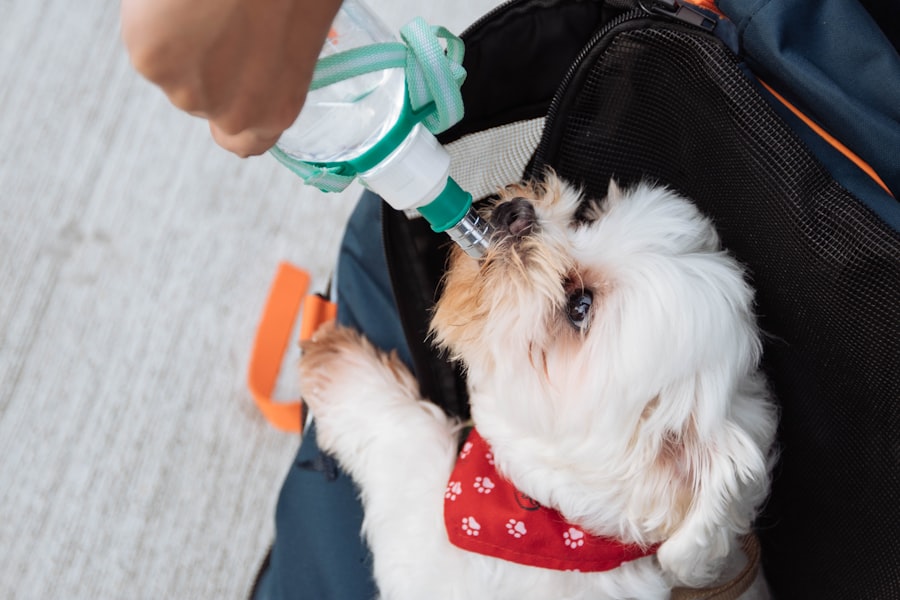
- Carrier: For small dogs and cats, a secure carrier is essential. It prevents escape and minimizes further injury.
- Blanket or Stretcher: For larger, immobile pets, a sturdy blanket or board can serve as a makeshift stretcher to move them safely.
- Vehicle Access: Ensure your vehicle is accessible and you know the quickest route to the emergency clinic. If you don’t drive, identify friends, family, or pet transport services that could assist.
When it comes to ensuring the well-being of your pets, understanding their specific health needs is crucial, especially for unique breeds like the Scottish Fold. For pet owners looking for comprehensive care tips, a related article on emergency vet services can provide valuable insights into what to do in urgent situations. You can read more about this essential topic in the article on caring for your Scottish Fold, which covers everything from health to grooming.
The Role of Staff and Technology
| City | Number of Emergency Vet Clinics | Average Response Time (in minutes) |
|---|---|---|
| New York | 15 | 30 |
| Los Angeles | 10 | 25 |
| Chicago | 8 | 35 |
Emergency veterinary clinics are distinct environments, relying on specialized personnel and advanced instrumentation to deliver critical care. The efficiency and expertise of the team are paramount in favorable outcomes.
Specialized Personnel
The staff at an emergency vet clinic differs from a general practice, often possessing additional expertise in critical care.
- Emergency Veterinarians: These veterinarians often have additional training or certifications in emergency and critical care. They are skilled in rapid assessment, stabilizing critical patients, and performing emergency procedures.
- Veterinary Technicians and Nurses: Highly trained, these individuals are often the first point of contact, conducting initial triages, monitoring vital signs, administering medications, assisting in procedures, and managing hospitalized patients.
- Support Staff: Receptionists, veterinary assistants, and other support staff ensure the clinic runs smoothly, handling administrative tasks, comforting owners, and preparing examination rooms.
Advanced Medical Technology
Emergency clinics are equipped with a range of technologies typically not found in every general practice, enabling rapid diagnosis and intensive treatment.
- In-House Laboratory: Advanced blood analyzers, urine sediment readers, and microbiology equipment allow for rapid diagnostic testing, often with results available within minutes or hours. This is crucial for conditions where time is of the essence.
- Digital Radiography and Ultrasound: High-quality digital X-ray machines provide immediate images of bones, organs, and foreign bodies. Ultrasound allows for non-invasive, real-time visualization of internal structures, critical for diagnosing conditions like internal bleeding or organ dysfunction.
- Oxygen Cages and Ventilators: For pets with severe respiratory distress, oxygen cages provide a consistent, controlled oxygen environment. In the most critical cases, mechanical ventilators can assist or take over breathing entirely.
- IV Fluid Pumps: These devices precisely control the rate and volume of intravenous fluids administered, vital for managing hydration, shock, and medication delivery.
- Cardiac Monitoring Equipment: ECG machines, pulse oximeters, and blood pressure monitors provide continuous data on a patient’s cardiovascular status, allowing for immediate interventions if problems arise.
- Surgical Suites: Fully equipped operating rooms capable of performing a wide range of emergency surgeries, from trauma repair to foreign body removal, are standard.
The emergency veterinary clinic represents a critical safety net for pet owners. While no one wishes to use such services, understanding how they operate, what to expect, and how to prepare can make a significant difference during a pet health crisis. These facilities, staffed by dedicated professionals and equipped with specialized technology, are vital components of comprehensive pet care, providing essential medical intervention when pets are at their most vulnerable.