
This article will provide a comprehensive guide to finding a veterinarian, emphasizing the importance of proactive pet health.
Pets, like humans, require regular medical attention to maintain their well-being. This involves more than just addressing immediate illness or injury. A consistent relationship with a veterinarian is crucial for preventative care, early detection of potential problems, and overall lifespan enhancement. Recognizing that your pet’s health is a significant responsibility is the first step in ensuring they receive the best possible care.
The Importance of Regular Check-ups
Annual or semi-annual wellness exams are foundational to a pet’s health. These visits allow veterinarians to monitor your pet’s growth, weight, and vital signs. They provide an opportunity to discuss diet, exercise, and behavior. Early detection of conditions like dental disease, arthritis, or heart murmurs can significantly improve treatment outcomes and prevent more serious complications down the line. These check-ups are not just about vaccinations; they are comprehensive health assessments.
Recognizing Signs of Illness
While pets cannot verbally communicate their discomfort, they exhibit behavioral and physical changes when unwell. Owners should be attentive to shifts in appetite, water intake, energy levels, grooming habits, and bowel or bladder function. Vomiting, diarrhea, persistent coughing or sneezing, lethargy, limping, or unexplained lumps are all indicators that a veterinary visit may be necessary. Familiarity with your individual pet’s baseline behavior is key to recognizing deviations.
Age-Related Health Concerns
As pets age, their healthcare needs evolve. Puppies and kittens require vaccinations, parasite control, and monitoring for developmental issues. Adult pets benefit from regular wellness exams to catch age-related conditions early. Senior pets often develop chronic illnesses such as kidney disease, diabetes, or arthritis, which require ongoing management and specialized care. Understanding these age-specific needs allows for tailored preventative strategies and prompt treatment.
Breed-Specific Predispositions
Certain breeds are predisposed to specific genetic health conditions. For example, some large breeds are prone to hip dysplasia, while certain small breeds may have cardiac issues. Knowledge of your pet’s breed and its associated health risks can inform you and your veterinarian about potential concerns to monitor. This is particularly important for mixed-breed animals, where understanding the traits of each contributing breed can be beneficial.
If you’re looking for a reliable vet near you, consider checking out this informative article that provides tips on how to choose the best veterinary care for your pets. It offers insights into what to look for in a veterinarian and how to ensure your furry friends receive the best possible care. For more information, visit this link.
Navigating the Search for a Veterinarian
Finding the right veterinary professional requires a thoughtful approach. It’s not simply about locating the closest clinic, but about establishing a partnership built on trust and competence. A good veterinarian will be communicative, skilled, and have the resources to meet your pet’s individual needs.
Geographic Proximity and Accessibility
The immediate vicinity of a veterinary clinic can be a primary consideration, especially during emergencies. However, it’s important to balance convenience with quality of care. Consider the ease of access to the clinic, parking availability, and operating hours. If your pet has specific needs, such as requiring specialized equipment or a particular type of expertise, you may need to look beyond your immediate neighborhood.
Professional Credentials and Reputation
Veterinarians must be licensed in the state or region where they practice. However, licensure is a baseline requirement. Look for veterinarians who are members of professional organizations, such as the American Veterinary Medical Association (AVMA) or its local chapters. Online reviews and testimonials can offer insights into the experiences of other pet owners, but it’s important to consider them with a critical eye. Recommendations from friends, family, or breeders can also be valuable.
Clinic Facilities and Equipment
The facilities of a veterinary clinic should be clean, organized, and welcoming. The availability of diagnostic equipment, such as X-ray machines, ultrasound technology, and in-house laboratory services, can contribute to efficient diagnosis and treatment. For pets requiring surgery or intensive care, the presence of sterile surgical suites and dedicated recovery areas is essential. If your pet has chronic conditions like diabetes, inquire about the clinic’s ability to manage these long-term needs.
Emergency Preparedness
Pets can experience unexpected health crises at any time. It’s important to know if your chosen veterinarian offers emergency services or has a relationship with a local emergency veterinary hospital. Understanding their protocols for after-hours care, including how to contact them and what to do in a critical situation, can provide invaluable peace of mind.
The Initial Consultation and Building Trust
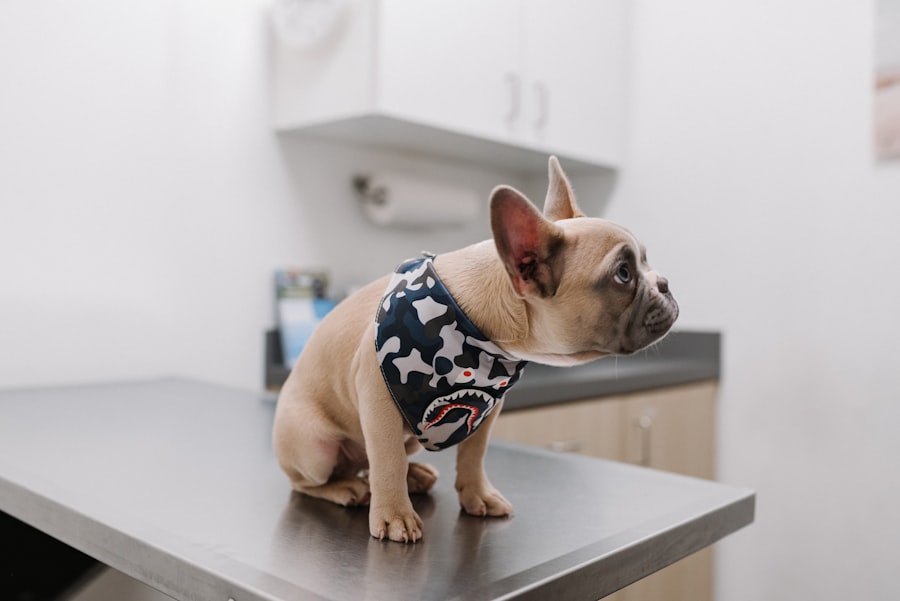
Your first visit to a veterinarian is an opportunity to assess their practice and establish a rapport not just with the veterinarian, but with the entire clinic staff. This initial interaction sets the foundation for your pet’s ongoing care.
What to Expect During the First Visit
A new patient visit typically includes a thorough physical examination, a discussion of your pet’s history, diet, and lifestyle, and a review of any previous health records. The veterinarian will likely ask detailed questions about your pet’s behavior and any concerns you may have. This is also the time to address vaccinations, parasite prevention, and any immediate health issues. Don’t hesitate to ask questions.
Communication and Transparency
Effective communication is a cornerstone of good veterinary care. The veterinarian should explain diagnoses, treatment options, and prognoses clearly and without jargon whenever possible. They should be willing to answer all your questions and ensure you understand the recommended course of action. A transparent approach to billing and treatment costs is also important. You should feel comfortable discussing financial considerations.
The Role of Veterinary Technicians and Support Staff
Veterinary technicians play a vital role in a clinic’s operations. They are often involved in patient monitoring, administering medications, performing diagnostic tests, and providing client education. A well-trained and compassionate support staff can significantly enhance your pet’s experience and contribute to the overall quality of care. Observe how the staff interacts with your pet and with you.
Understanding Treatment Recommendations
When presented with treatment options, it’s important to understand the rationale behind each recommendation. Discuss potential benefits, risks, and alternatives. If a treatment plan is complex or expensive, ask for a breakdown of costs and expected outcomes. If you are unsure about a recommendation, it is acceptable to seek a second opinion.
Proactive Care: Prevention and Early Detection

A proactive approach to your pet’s health can prevent many illnesses and improve the prognosis for those that do arise. This involves consistent preventative measures and ongoing observation.
Vaccination Protocols
Vaccinations are a critical component of preventative care, protecting your pet from serious and sometimes fatal infectious diseases. Veterinarians will recommend a vaccination schedule tailored to your pet’s age, lifestyle, and geographic location. Discuss the risks and benefits of each vaccine with your veterinarian to make informed decisions.
Parasite Prevention
Internal and external parasites pose significant health risks to pets. Regular deworming and monthly preventative treatments for heartworms, fleas, and ticks are essential. These parasites can transmit diseases to both pets and humans, making their control a public health concern. Your veterinarian can recommend the most appropriate and effective products for your pet.
Dental Care
Dental disease is common in pets and can lead to pain, tooth loss, and systemic health problems. Regular dental check-ups, professional cleanings, and at-home oral hygiene practices, such as brushing, are crucial. Educating yourself on how to properly care for your pet’s teeth is an important part of overall health maintenance.
Nutrition and Weight Management
A balanced diet is fundamental to a pet’s health. Your veterinarian can advise on the most appropriate food for your pet’s life stage, breed, and any specific health conditions. Maintaining a healthy weight is also critical. Obesity can exacerbate existing conditions and contribute to new ones, including diabetes, arthritis, and heart disease.
Exercise and Mental Stimulation
Adequate physical activity and mental stimulation are vital for a pet’s physical and psychological well-being. Regular exercise helps maintain a healthy weight, strengthens muscles and bones, and reduces the risk of behavioral problems. Puzzle toys, training sessions, and varied walking routes can provide necessary mental engagement.
If you’re looking for tips on how to train your dog off the leash, you might find this article helpful. Proper training can enhance your dog’s behavior and strengthen your bond. For more information on finding a vet near you, check out this useful resource on dog training. It’s essential to ensure your pet is healthy and well-cared for while you work on their training.
Addressing Specific Health Concerns
| Location | Distance | Rating |
|---|---|---|
| Downtown | 1 mile | 4.5 |
| Westside | 3 miles | 4.8 |
| Eastside | 2 miles | 4.3 |
When your pet does experience health issues, your veterinarian is your primary resource. Understanding how to effectively communicate your pet’s symptoms and what to expect during diagnosis and treatment is important.
Recognizing Emergency Situations
Certain symptoms require immediate veterinary attention. These include severe bleeding, difficulty breathing, collapse, seizures, loss of consciousness, severe pain, or suspected poisoning. Knowing when to go to an emergency clinic versus scheduling a routine appointment can be critical in life-saving situations.
Diagnostic Tools and Procedures
Veterinarians use a range of diagnostic tools to identify the cause of illness. These can include blood work, urinalysis, fecal testing, X-rays, ultrasounds, and biopsies. Understanding what these tests involve and what information they provide can help you feel more involved in your pet’s care.
Treatment Plans and Medication Management
Once a diagnosis is made, your veterinarian will outline a treatment plan. This may involve medication, surgery, dietary changes, or therapy. It’s crucial to follow the veterinarian’s instructions precisely regarding medication dosages, frequency, and duration. If you have questions about a prescribed medication, ask for clarification.
Chronic Disease Management
Many pets develop chronic conditions that require ongoing management. This could include diabetes, kidney disease, arthritis, or allergies. A skilled veterinarian will work with you to develop a long-term care plan that optimizes your pet’s quality of life. This often involves regular check-ups, medication adjustments, and lifestyle modifications.
Behavioral Issues and Their Link to Health
Sometimes, behavioral changes in pets can be indicators of underlying health problems. For instance, increased vocalization could signal pain, or a sudden reluctance to eat might point to gastrointestinal distress. It’s important to discuss any significant behavioral shifts with your veterinarian, as they may require medical intervention beyond behavioral modification.
Partnering with Your Veterinarian for Lifelong Health
The relationship between a pet owner and their veterinarian is a partnership. This collaboration is essential for maximizing your pet’s health and longevity.
Open and Honest Communication
Maintain open communication with your veterinarian. Share information about your pet’s diet, exercise, behavior, and any changes you observe, even if they seem minor. The more information your veterinarian has, the better equipped they are to provide accurate diagnoses and effective treatment.
Financial Preparedness
Veterinary care can be a significant expense. It is advisable to consider pet insurance or to set aside funds for unexpected medical needs. Discuss treatment costs openly with your veterinarian to understand the financial implications of various options.
Continuing Education for Pet Owners
Educating yourself about pet health is an ongoing process. Utilize reliable resources, such as your veterinarian, reputable veterinary websites, and veterinary journals, to stay informed. Understanding common health issues and preventative measures empowers you to be a more effective advocate for your pet.
Advocate for Your Pet
Ultimately, you are your pet’s primary advocate. Trust your instincts if something feels wrong. Don’t hesitate to ask questions or seek clarification from your veterinarian. A strong, collaborative relationship ensures that your pet receives the best possible care throughout their life. Finding a veterinarian who you trust and feel comfortable with is an investment in your pet’s well-being and your peace of mind.