
We love our pets. They offer companionship, a source of joy, and often become integral members of our families. When it comes to their health and well-being, finding a reliable veterinarian is paramount. This guide aims to equip pet owners with the knowledge and tools to locate the best veterinary care available, close to home.
Before embarking on your search, it’s beneficial to consider the general and specific healthcare requirements of your animal companion. This understanding will inform your choices and help you ask the right questions.
Age-Specific Considerations
- Puppies and Kittens: Young animals require a series of vaccinations to protect them from common and serious diseases. They also need deworming and guidance on nutritional needs and socialization. Early veterinary visits establish a baseline for their health and allow for discussions about spaying or neutering.
- Adult Pets: Routine check-ups, usually annually, are crucial for adult animals. These visits allow for early detection of potential health issues. Depending on your pet’s breed and lifestyle, your veterinarian may recommend specific preventative care, such as dental cleanings or parasite control.
- Senior Pets: As pets age, their healthcare needs change. Older animals are more susceptible to conditions like arthritis, dental disease, organ dysfunction, and certain cancers. More frequent check-ups, often twice a year, may be necessary. Advanced diagnostic tools and specialized treatments become more relevant during this life stage.
Breed and Species-Specific Requirements
Different breeds and species have unique predispositions to certain health conditions. For instance, some large dog breeds are prone to hip dysplasia, while certain cat breeds might be more susceptible to kidney disease. Researching common issues for your specific pet’s breed or species can help you find a veterinarian with relevant experience.
Lifestyle and Activity Levels
A highly active dog who spends time in the woods will have different needs than a sedentary indoor cat. The former might require more vigilant parasite prevention, while the latter could benefit from advice on weight management and enrichment activities. Your pet’s environment and daily routine play a role in their health.
If you’re a veterinarian looking for exciting job opportunities in your area, you might find this article on employment prospects particularly useful. It provides insights into the current job market for veterinarians and highlights various positions available near you. For more information, check out the article here: Veterinarian Employment Opportunities.
Where to Begin Your Search: Identifying Potential Veterinarians
The process of finding a veterinarian involves more than just looking at a map. It requires a multi-pronged approach to gather information and assess potential candidates.
Leveraging Existing Networks
- Recommendations from Friends and Family: Personal endorsements can be valuable. Ask other pet owners in your community about their experiences. Inquire about the specific aspects of care they appreciate, such as the veterinarian’s demeanor, the clinic’s facilities, or the communication style.
- Word-of-Mouth from Other Pet Professionals: Groomers, dog walkers, trainers, and pet sitters often have firsthand knowledge of local veterinary clinics. They can provide insights into which vets are well-regarded by other animal care professionals.
Online Resources and Directories
- Veterinary Practice Websites: Many clinics maintain detailed websites outlining their services, staff, and philosophy. This is a good starting point to understand their offerings.
- Professional Veterinary Association Websites: Organizations like the American Veterinary Medical Association (AVMA) and its state-level affiliates often have directories of licensed veterinarians. While these don’t offer reviews, they confirm credentials.
- Online Review Platforms: Websites like Google Reviews, Yelp, and specialized pet service platforms can offer insights from other pet owners. Focus on recurring themes, both positive and negative, rather than individual outlier experiences. Look for comments about cleanliness, staff friendliness, emergency availability, and medical competence.
Proximity and Accessibility
While expertise is key, practicality also matters. A veterinarian’s location can be a significant factor, especially in emergencies. Consider:
- Travel Time: How long does it take to get to the clinic from your home or workplace?
- Emergency Services: Does the clinic offer emergency care, or do they refer to a separate emergency facility? If they refer, what is the proximity and reputation of that facility?
- Operating Hours: Do their hours align with your schedule? Are they open on weekends or evenings?
Evaluating a Veterinary Clinic’s Services and Facilities

Once you have a shortlist of potential veterinarians, it’s time to delve deeper into what each clinic offers and how they operate.
Range of Services
- General Practice vs. Specialty: Most local vets offer comprehensive general practice services, including examinations, vaccinations, parasite control, diagnostics (X-rays, blood work), and routine surgery. However, if your pet has a complex or chronic condition, you might need a specialist. Determine if your local vet can handle common issues or if they have established referral relationships with specialists (cardiology, dermatology, neurology, surgery).
- Preventative Care Programs: Some clinics offer wellness plans or preventative care packages that bundle services like annual exams, vaccinations, and parasite screenings at a discounted rate.
- Dental Care: Dental health is crucial for pets. Inquire about the clinic’s approach to dental cleanings, extractions, and dental diagnostics.
- Behavioral Consultations: Some veterinary clinics offer or can refer for behavioral advice, which can be invaluable for addressing issues like anxiety, aggression, or house-soiling.
- Grooming and Boarding: While not all clinics provide these services, some do. If this is important to you, include it in your evaluation.
Diagnostic Capabilities
- In-House Laboratory: Does the clinic have its own lab for blood work, urinalysis, and other common diagnostic tests? This can lead to faster results.
- Imaging Equipment: Assess their capabilities for X-rays and ultrasounds. Newer digital X-ray equipment can provide clearer images.
- Access to External Labs: If they don’t have extensive in-house capabilities, do they have reliable relationships with reputable external laboratories for more complex testing?
Facilities and Cleanliness
- Waiting Area: Is it comfortable, clean, and organized? Are there separate areas for dogs and cats to reduce stress?
- Exam Rooms: Are they clean and well-equipped?
- Kennel/Hospitalization Areas: If your pet needs to be hospitalized, inquire about the conditions. Are they clean, quiet, and secure?
- Hygiene Practices: Observe general cleanliness throughout the clinic. This is a good indicator of their commitment to preventing the spread of disease.
Assessing the Veterinary Team: Qualifications and Approach
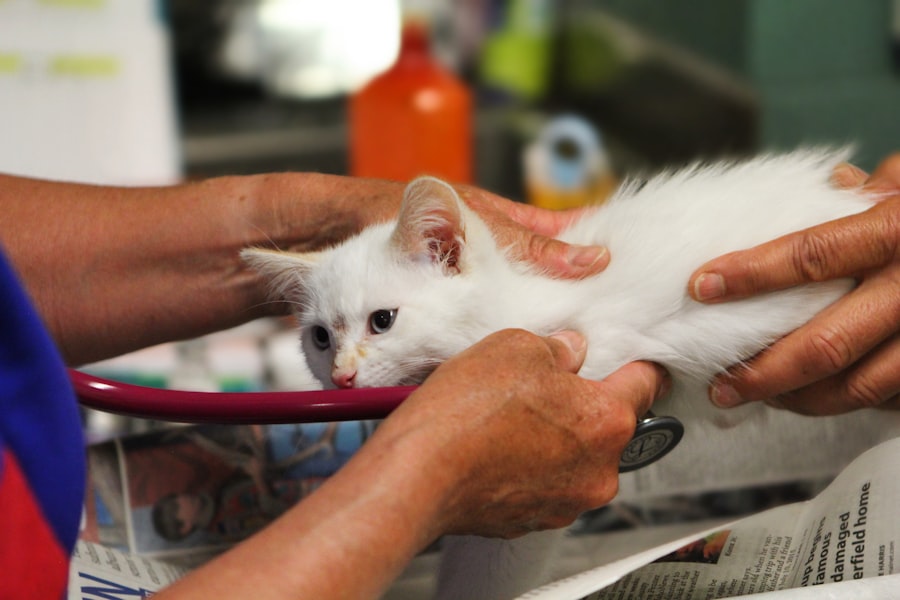
The people are as important as the place. The veterinary team’s expertise, communication, and overall demeanor significantly impact your pet’s care.
Veterinarian Qualifications and Experience
- Licensing and Continuing Education: Ensure all veterinarians are licensed to practice in your state. Inquire about their commitment to ongoing education and professional development.
- Areas of Interest or Specialization: While not always formal specialists, many vets develop particular interests or expertise in certain areas (e.g., surgery, internal medicine, exotic pets). If your pet has specific needs, this can be a significant factor.
- Experience with Your Pet’s Species/Breed: As mentioned, some vets are more comfortable or experienced with certain types of animals.
Veterinary Technicians and Support Staff
- Role of Technicians: Veterinary technicians are highly trained professionals who assist veterinarians with medical procedures, diagnostics, client education, and patient care.
- Staff Demeanor: Are the receptionists, technicians, and assistants friendly, professional, and knowledgeable? Their interactions can set the tone for your experience.
Communication and Client Education
- Explanation of Diagnoses and Treatment Plans: Does the veterinarian take the time to explain what is wrong with your pet, the proposed treatment options, potential risks, and expected outcomes in a way you can understand?
- Willingness to Answer Questions: Are they patient and thorough when you ask questions?
- Follow-Up Communication: How does the clinic handle follow-up calls or messages regarding your pet’s progress?
- Transparency in Pricing: Are costs clearly explained, and are you provided with estimates before procedures?
If you’re looking for reliable cat sitting services in your area, you might find this article particularly helpful. It discusses various options for pet care and highlights the importance of choosing a trustworthy caregiver for your feline friends. For more information, you can read the full article on cat sitting services here. This resource can assist you in making informed decisions about your pet’s care while you’re away.
Making the Final Decision: What to Look For in a “Good” Veterinarian
| Veterinarian Name | Address | Phone Number | Distance |
|---|---|---|---|
| Dr. Smith | 123 Main St | 555-1234 | 0.5 miles |
| Dr. Johnson | 456 Elm St | 555-5678 | 1.2 miles |
| Dr. Williams | 789 Oak St | 555-9101 | 2.0 miles |
Defining a “good” veterinarian is subjective, but certain qualities consistently contribute to excellent pet care.
Emergency Preparedness and After-Hours Care
- In-House Emergency Services: If available, this offers immediate access to care for critical situations.
- Referral Network: If they don’t offer 24/7 care, understand their protocol for emergencies. Do they have a clear referral to a reputable emergency clinic nearby? How do they ensure a smooth transition of information?
- Availability for Urgent Appointments: Can the clinic accommodate urgent, non-life-threatening issues during regular business hours?
Cost and Value
- Upfront Pricing: While not always possible for unforeseen conditions, aim for clinics that provide clear estimates for routine procedures and consultations.
- Understanding the Value: Veterinary care is an investment. Consider the quality of care, the expertise of the team, and the thoroughness of treatments rather than solely focusing on the lowest price. Compare fees for similar services if you have multiple options.
- Payment Options: Inquire about accepted payment methods and any financing or payment plan options available if needed.
Compassion and Empathy
- Pet Handling: Observe how the veterinary team interacts with your pet. Are they gentle, calm, and reassuring?
- Client Support: In difficult situations, such as end-of-life care, a compassionate and understanding approach from the veterinary team is invaluable.
- The “Feel” of the Clinic: Trust your intuition. A clinic where you feel comfortable and confident in the care provided is essential.
Technology and Modern Practices
- Adoption of New Techniques: Are they open to discussing and utilizing modern diagnostic and treatment approaches?
- Record Keeping: Electronic medical records can improve efficiency and ensure continuity of care.
By carefully considering these aspects, pet owners can confidently navigate the process of finding a local veterinarian who will provide their beloved companions with the best possible care. Regular communication, proactive health management, and a strong relationship with a trusted veterinary team form the foundation of a long and healthy life for your pet.